THE LATIN ELECTRONIC OPERA
A queen, a war, four albums
Black Swarm is a Latin electronic opera in four acts — Regina, Orbis, Nox and Aeternum — built on trance, techno and symphony and sung by Kat.
It is built on trance, techno and full symphony, threaded with uilleann pipes, bagpipes, a didgeridoo, a Jew’s harp, slow Slavic drums and Kat’s own voice reworked into a Tibetan-style chant.
The story follows Regina, a queen who starts a war because a man left her. The words are in Latin. You don’t need them to feel it — but every line is translated here, side by side, so you can read along while you listen.
Start with Act I. The story only works forwards.
The four acts
 IREGINATHE FALLHe chose another woman. She did not weep. She counted the days, and the winter came from her: first the garden, then the wells, then the open sea.
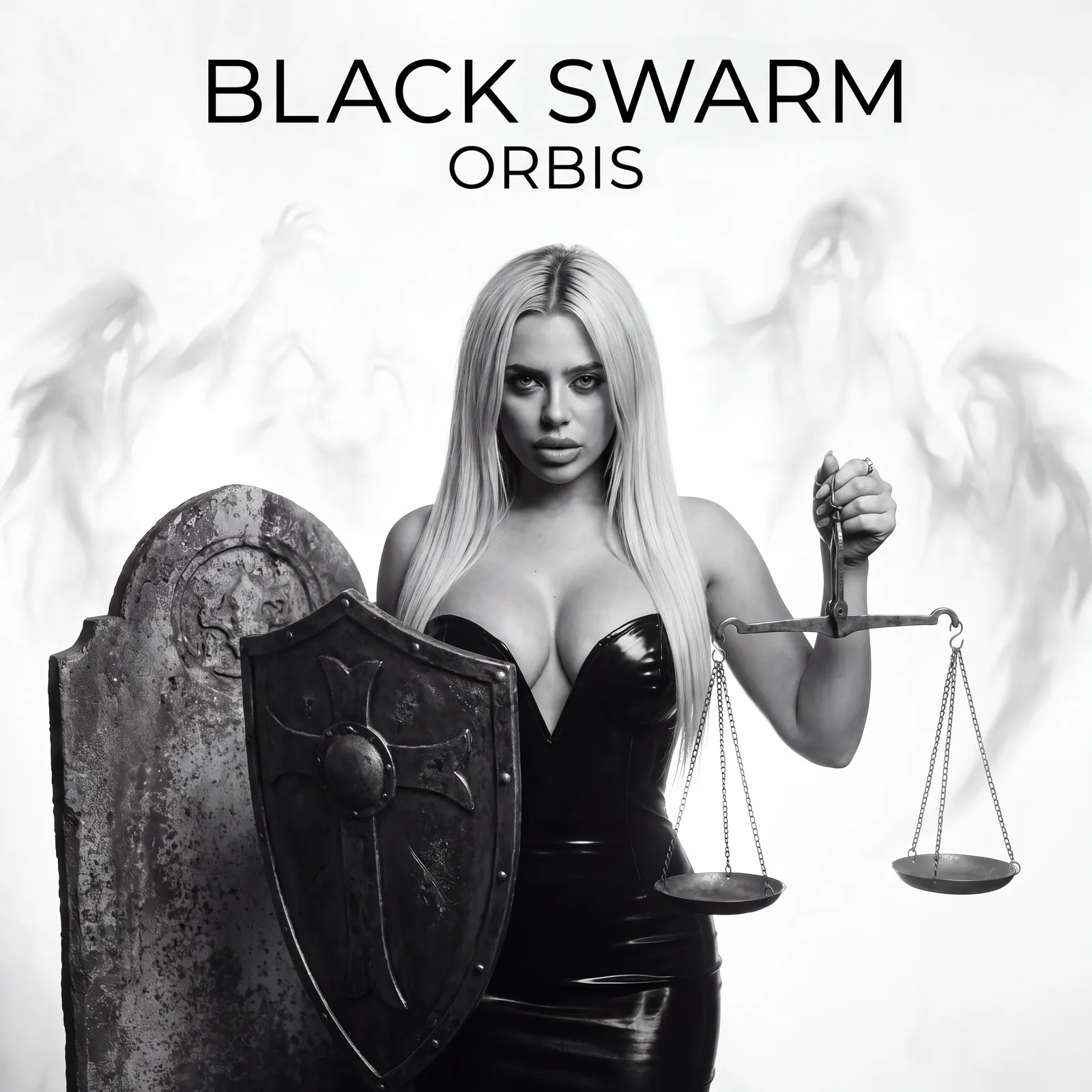 IIORBISTHE WAR“My love is dead. My war is born.” She swears by ice and fire and raises an army under one law: spare the mothers, spare the little ones. Victory devours her. The law is drowned out by a new one — kneel or burn — and the dead are counted in the hundreds of thousands. She spares one woman, the one he chose, and gives her a sentence: live, and watch. Then the queen’s world turns to ash, and night takes her.
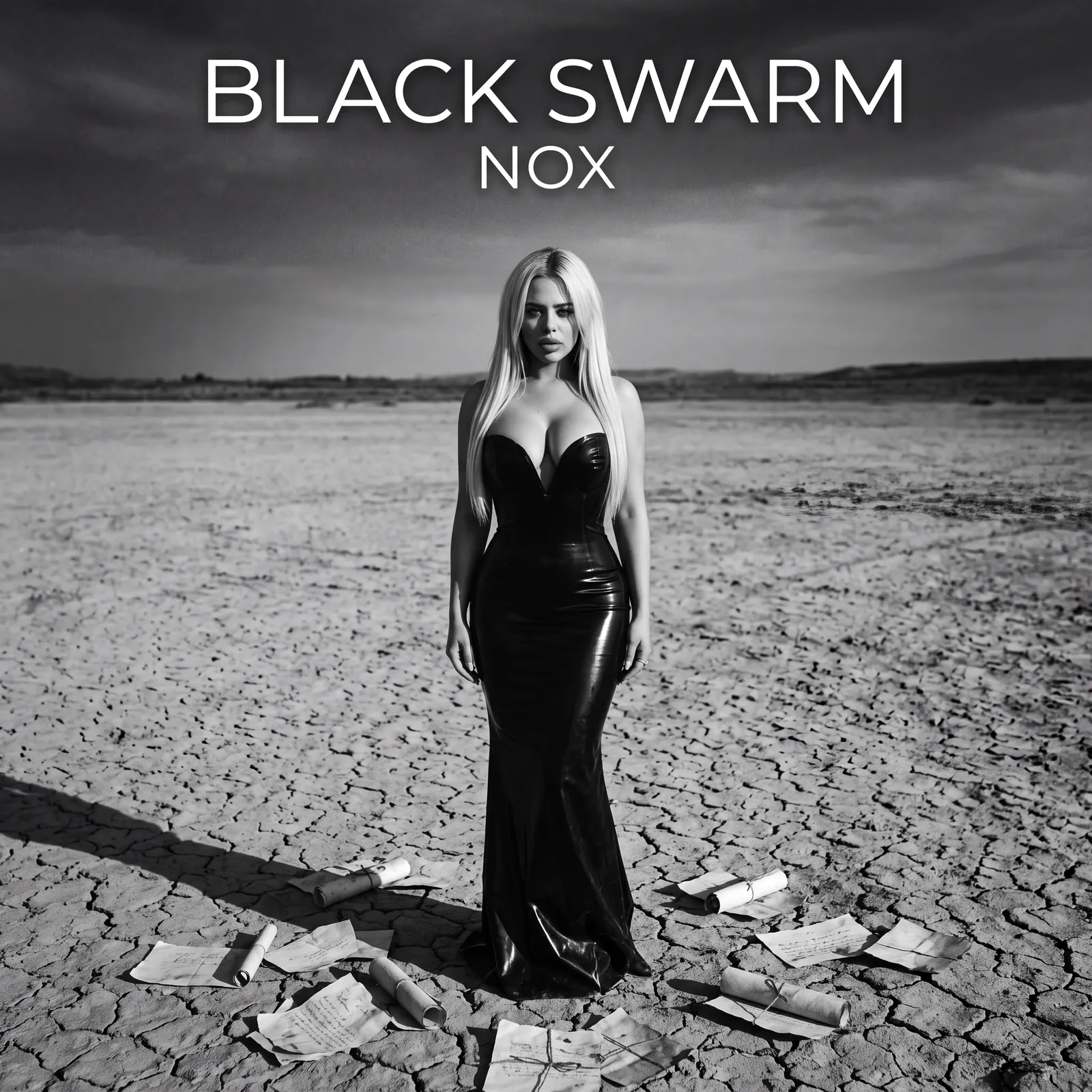 IIINOXTHE VOIDThe applause is gone. In the dark she calls for him, and nobody comes. Her shadow answers in her own voice. She begs to be erased and is handed her own words back: live, and watch. Four walls, one high window — and beyond it he lives, laughs and loves. With her.
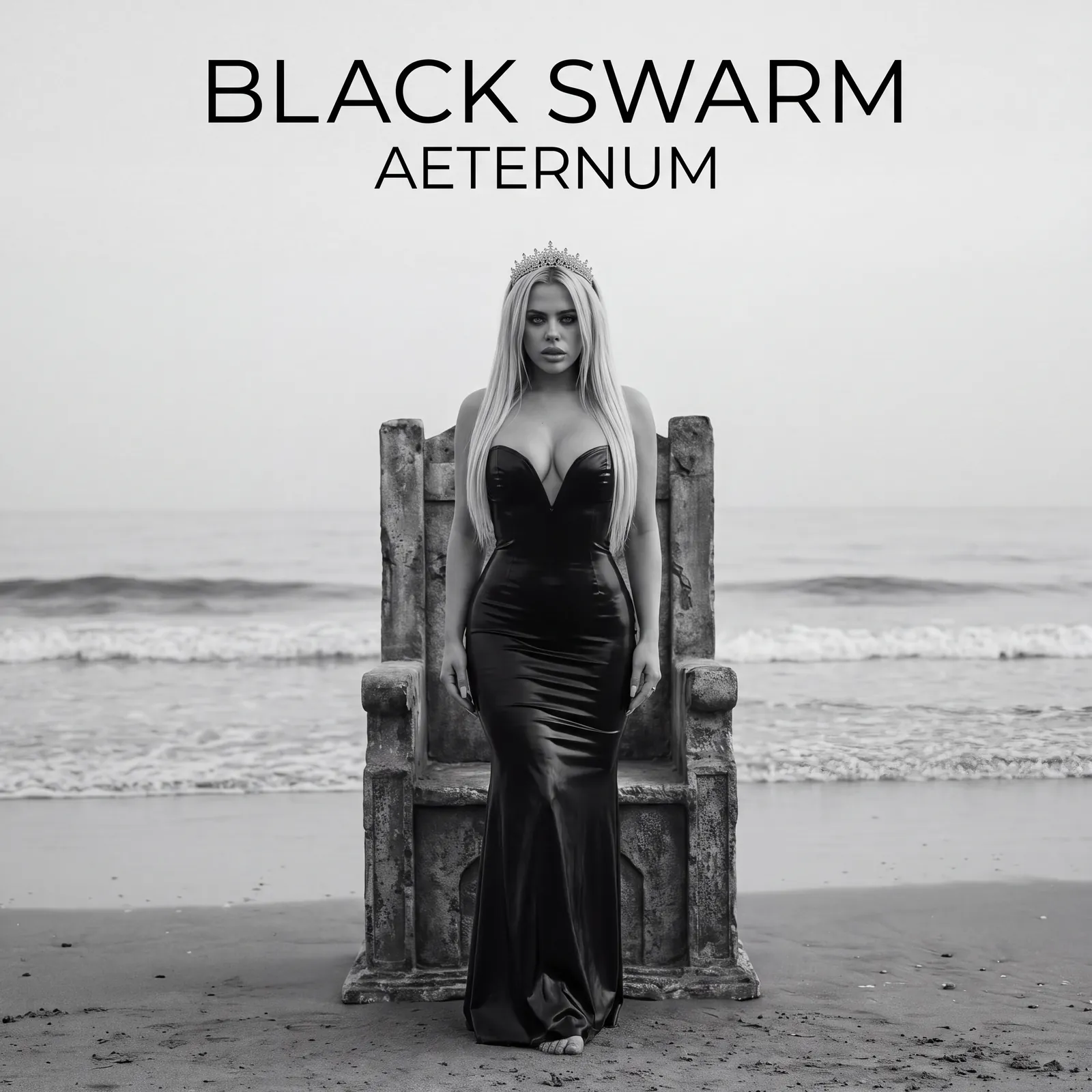 IVAETERNUMTHE BALANCEThe seasons turn for centuries. She learns that her winter took him, and meets Vengeance, who fed every step of her war and holds what is left of him. She will not forgive. She tells the story anyway. Night and light, ice and flame, end in harmony.
“I’m singing a queen who starts a war because a man left her, and ends wanting children dead.”
— KAT
How it was made
If Enigma put Gregorian chant over a breakbeat, Black Swarm puts an entire opera over a trance kick. The opera began as a Carmina Burana remix. It was scrapped because it sounded like everyone else’s. One song became an opera, then two albums, then four.
The family tree runs through Tangerine Dream’s sequencers and Jean-Michel Jarre’s synthesizers, into trip-hop, trance and techno. Then it reaches for things electronic music rarely touches: Celtic pipes on Regina’s anthem, a didgeridoo and a Jew’s harp under a monk-like drone, and Slavic percussion that started as background and became the spine of a track.